

Improving your home’s energy efficiency is one of the best ways to save money on utility bills, reduce your environmental impact, and enhance the comfort of your living space. With rising energy costs, many homeowners are looking for ways to make their homes more energy-efficient without breaking the bank. Fortunately, there are several cost-effective measures you can take to achieve significant savings. Here are some of the best ways to make your house more energy efficient without a major investment.
Upgrade to LED Lighting
One of the simplest and most cost-effective ways to improve energy efficiency in your home is by upgrading to LED lighting. LED bulbs use significantly less energy than traditional incandescent or even compact fluorescent (CFL) bulbs and can last up to 25 times longer. This means you’ll save money on both your energy bill and the cost of replacement bulbs over time.
LEDs are available in a variety of colors and brightness levels, making it easy to find options that suit your home’s ambiance. They also produce less heat than traditional bulbs, which can help keep your home cooler in the summer months. By replacing your most frequently used light fixtures with LEDs, you can quickly see a reduction in your energy consumption.
LEDs are available in a variety of colors and brightness levels, making it easy to find options that suit your home’s ambiance. They also produce less heat than traditional bulbs, which can help keep your home cooler in the summer months. By replacing your most frequently used light fixtures with LEDs, you can quickly see a reduction in your energy consumption.
Seal Windows and Doors
Drafty windows and doors are a major source of energy loss in many homes. Even small gaps and cracks can allow warm air to escape in the winter and cool air to leak out in the summer, leading to higher heating and cooling costs. Fortunately, sealing these gaps is a cost-effective way to improve your home’s energy efficiency.
Weatherstripping and caulking are affordable solutions that can be applied to windows and doors to prevent air leaks. Weatherstripping is typically used around movable components, such as doors and operable windows, while caulk is used to seal gaps and cracks around stationary components. By addressing these areas, you can significantly reduce drafts, improve comfort, and lower your energy bills.
Weatherstripping and caulking are affordable solutions that can be applied to windows and doors to prevent air leaks. Weatherstripping is typically used around movable components, such as doors and operable windows, while caulk is used to seal gaps and cracks around stationary components. By addressing these areas, you can significantly reduce drafts, improve comfort, and lower your energy bills.
Install a Programmable Thermostat
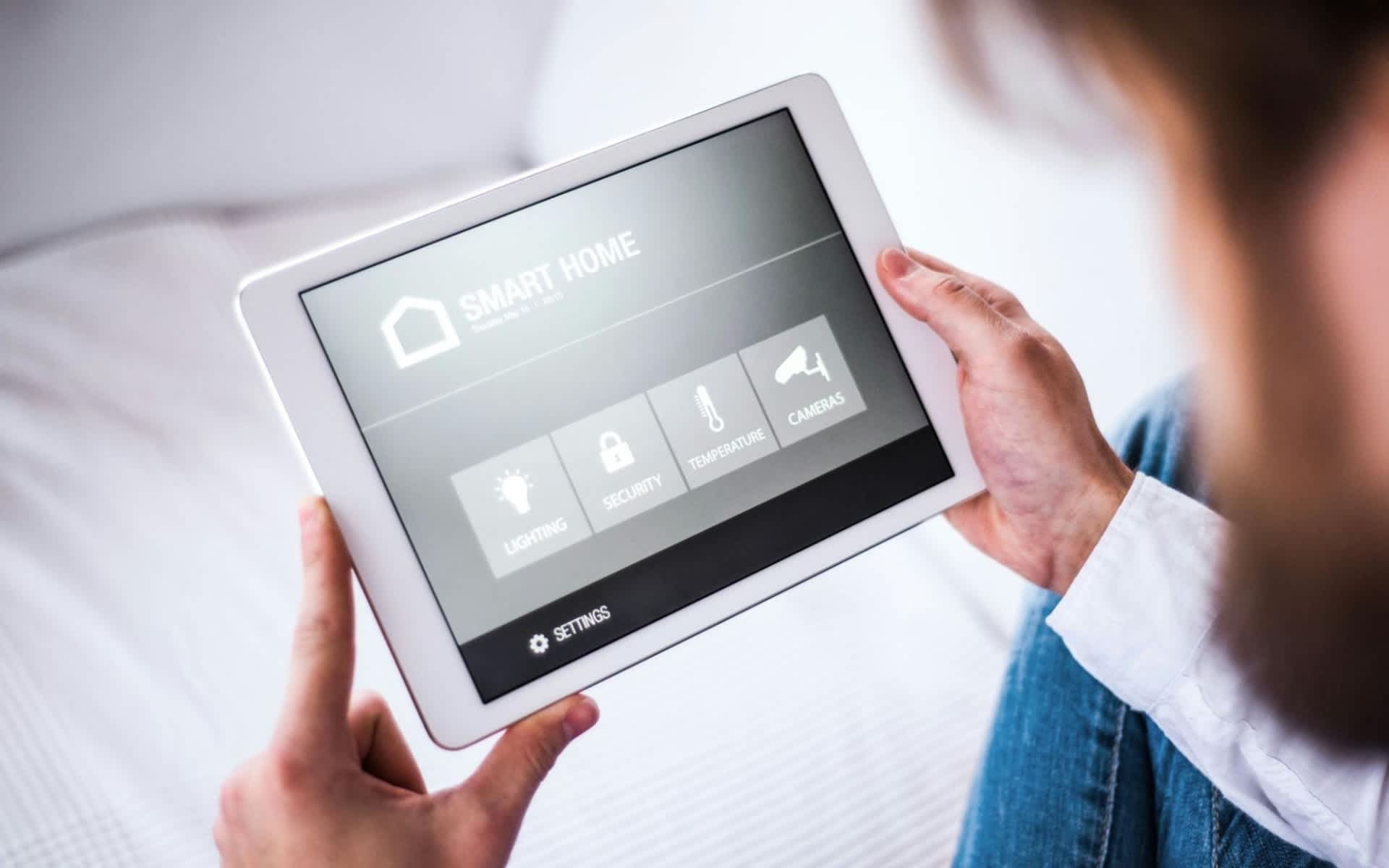
A programmable thermostat is a smart investment that can help you optimize your home’s heating and cooling schedule, reducing energy waste. These thermostats allow you to set specific temperatures for different times of the day, ensuring that your HVAC system is only running when needed.
For example, you can program the thermostat to lower the temperature while you’re asleep or at work and raise it just before you wake up or return home. Some programmable thermostats also offer advanced features, such as remote access via smartphone apps, learning algorithms that adjust to your schedule, and compatibility with smart home systems.
By using a programmable thermostat to better control your home’s temperature, you can reduce energy consumption and potentially save on heating and cooling costs annually.
For example, you can program the thermostat to lower the temperature while you’re asleep or at work and raise it just before you wake up or return home. Some programmable thermostats also offer advanced features, such as remote access via smartphone apps, learning algorithms that adjust to your schedule, and compatibility with smart home systems.
By using a programmable thermostat to better control your home’s temperature, you can reduce energy consumption and potentially save on heating and cooling costs annually.
Insulate Your Attic
Proper insulation is key to maintaining a consistent indoor temperature and reducing the workload on your HVAC system. If your home’s attic is under-insulated, you could be losing a significant amount of heat in the winter and allowing unwanted heat to enter during the summer. Adding insulation to your attic is a cost-effective way to boost your home’s energy efficiency.
Fiberglass batt insulation, blown-in cellulose, and spray foam are popular insulation options that can help improve your attic’s thermal performance. While the initial cost of adding insulation may vary depending on the size of your attic and the type of insulation used, the long-term energy savings make it a worthwhile investment.
Insulating your attic can also help prevent ice dams in the winter, which can cause damage to your roof and gutters. Overall, better insulation leads to lower heating and cooling costs and a more comfortable living environment.
Fiberglass batt insulation, blown-in cellulose, and spray foam are popular insulation options that can help improve your attic’s thermal performance. While the initial cost of adding insulation may vary depending on the size of your attic and the type of insulation used, the long-term energy savings make it a worthwhile investment.
Insulating your attic can also help prevent ice dams in the winter, which can cause damage to your roof and gutters. Overall, better insulation leads to lower heating and cooling costs and a more comfortable living environment.
Replace or Maintain HVAC Filters
Your home’s heating, ventilation, and air conditioning (HVAC) system plays a significant role in your energy consumption. One of the simplest and most cost-effective ways to improve your HVAC system’s efficiency is by regularly replacing or cleaning the air filters. Dirty or clogged filters can restrict airflow, causing your system to work harder and use more energy to maintain the desired temperature.
Most HVAC filters should be replaced every 1 to 3 months, depending on factors such as the type of filter, the presence of pets, and indoor air quality. By keeping your filters clean, you’ll not only improve energy efficiency but also enhance indoor air quality and extend the life of your HVAC system.
If your system is older or has not been serviced in a while, it may also be worth scheduling a professional tune-up. Regular maintenance ensures that your HVAC system is operating at peak efficiency, which can lead to significant energy savings.
Most HVAC filters should be replaced every 1 to 3 months, depending on factors such as the type of filter, the presence of pets, and indoor air quality. By keeping your filters clean, you’ll not only improve energy efficiency but also enhance indoor air quality and extend the life of your HVAC system.
If your system is older or has not been serviced in a while, it may also be worth scheduling a professional tune-up. Regular maintenance ensures that your HVAC system is operating at peak efficiency, which can lead to significant energy savings.
Use Energy-Efficient Appliances
If you’re in the market for new appliances, consider choosing energy-efficient models that have the ENERGY STAR label. ENERGY STAR-certified appliances meet strict efficiency guidelines set by the U.S. Environmental Protection Agency and can help you save on energy costs.
While energy-efficient appliances may have a higher upfront cost, the savings on your utility bills over time can offset the initial investment. Common ENERGY STAR appliances include refrigerators, washing machines, dishwashers, and water heaters. By replacing older, less efficient appliances with modern energy-saving models, you can reduce your household’s overall energy consumption.
While energy-efficient appliances may have a higher upfront cost, the savings on your utility bills over time can offset the initial investment. Common ENERGY STAR appliances include refrigerators, washing machines, dishwashers, and water heaters. By replacing older, less efficient appliances with modern energy-saving models, you can reduce your household’s overall energy consumption.
Embrace Natural Light and Ventilation
Maximizing natural light and ventilation is a cost-effective way to reduce your reliance on artificial lighting and mechanical cooling. During the day, open curtains and blinds to let in sunlight, which can warm your home naturally in the winter and reduce the need for electric lighting. In the summer, use cross-ventilation by opening windows on opposite sides of your home to encourage airflow and cool your home without relying on air conditioning.
Ceiling fans are another affordable option that can help circulate air and maintain a comfortable indoor temperature. By using fans in conjunction with your HVAC system, you can set your thermostat a few degrees higher in the summer and still feel cool, resulting in energy savings.
Ceiling fans are another affordable option that can help circulate air and maintain a comfortable indoor temperature. By using fans in conjunction with your HVAC system, you can set your thermostat a few degrees higher in the summer and still feel cool, resulting in energy savings.
Achieve Energy Efficiency and Savings
Making your home more energy-efficient doesn’t have to be expensive or complicated. By implementing these cost-effective strategies, you can reduce energy consumption, lower your utility bills, and create a more comfortable living environment. From simple fixes like sealing windows to smart upgrades like installing a programmable thermostat, there are many ways to improve your home’s energy efficiency without a major investment.
For personalized advice on how energy efficiency can enhance the value of your home in Englewood Cliffs, NJ, reach out to Jason Pierce at New Jersey Proper. Whether you’re buying, selling, or simply looking to improve your property, Jason Pierce is ready to help you achieve your real estate goals.
For personalized advice on how energy efficiency can enhance the value of your home in Englewood Cliffs, NJ, reach out to Jason Pierce at New Jersey Proper. Whether you’re buying, selling, or simply looking to improve your property, Jason Pierce is ready to help you achieve your real estate goals.
Check out this article next