


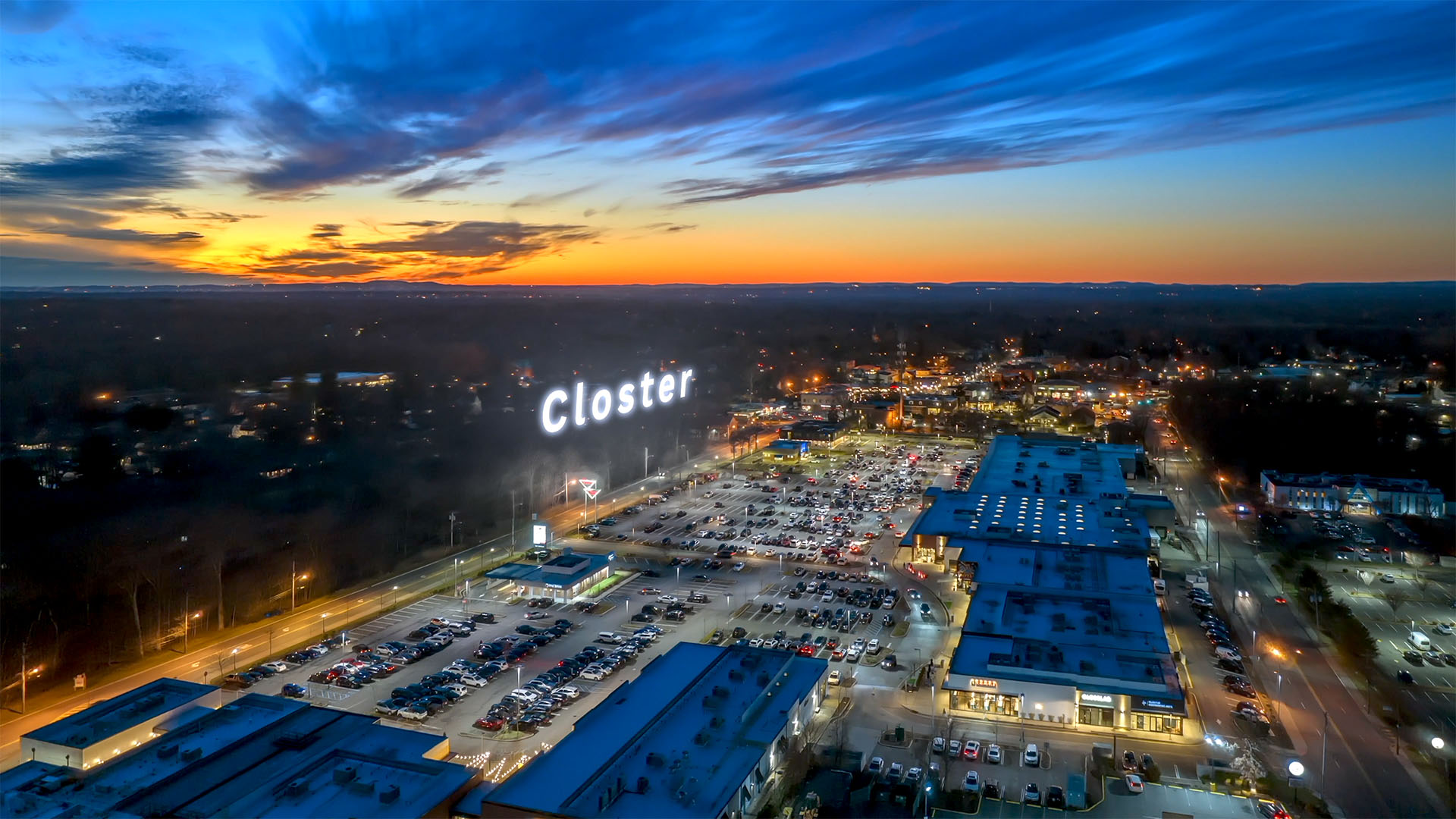
Closter breaks into Bergen County’s Top 10 by average sale price (2025)
Closter has steadily moved up Bergen County’s pricing ladder over the past decade—and in 2025 it landed in the countywide Top 10
This post ranks towns by Average Sold price from NJMLS town-level annual statistics (Sold row; all property types/sub-types).
The headline number
• 2025 Average Sold Price (Closter): $1,485,117
• 2025 rank: #10 out of 70 towns in Bergen County
For context, Closter’s Average Sold was $738,192 in 2016, meaning the town’s Average Sold rose about 101.2% from 2016 to 2025.
Closter’s rank: year by year (Average Sold)
Year | Rank | Average Sold |
2016 | 17 | $738,192 |
2017 | 16 | $714,497 |
2018 | 17 | $742,602 |
2019 | 17 | $718,811 |
2020 | 17 | $784,254 |
2021 | 11 | $1,010,807 |
2022 | 13 | $1,014,524 |
2023 | 12 | $1,086,134 |
2024 | 12 | $1,247,230 |
2025 | 10 | $1,485,117 |
What stands out in the timeline
- 2016–2020: Closter sat in the mid-to-high teens (ranks 16–17).
- 2021: Closter jumped to #11 and crossed the $1M Average Sold mark.
- 2022–2024: Held in the low teens (ranks 12–13).
- 2025: Moved to #10, making a clear “Top 10” appearance.
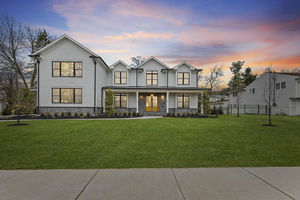
Closter's recent sales of note:
67 Hickory Ln, Closter NJ Sold for $4,650,000
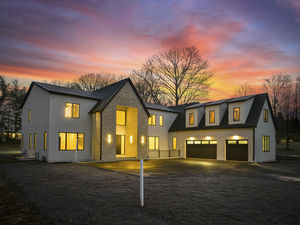
55 Sherman Ave, Closter NJ Sold for $3,700,000
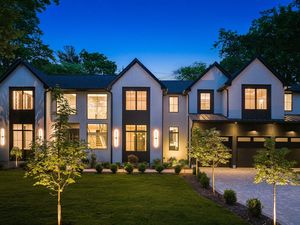
38 Wilson Ct, Closter NJ Sold for $3,580,000
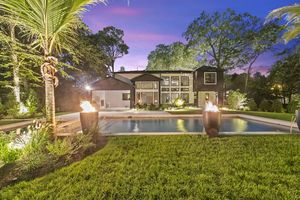
37 Sherman Ave, Closter NJ Sold for $3,200,000
Where Closter fits in 2025
Top 10 Bergen County towns by 2025 Average Sold Price:
- Alpine — $4,786,450
- Saddle River — $2,725,910
- Englewood Cliffs — $2,067,091
- Demarest — $1,963,207
- Franklin Lakes — $1,951,979
- Tenafly — $1,707,691
- Haworth — $1,623,441
- Upper Saddle River — $1,579,775
- Old Tappan — $1,519,524
- Closter — $1,485,117
Closter’s 2025 Average Sold places it just below Old Tappan in the Top 10—and ahead of Ridgewood (#11) and Cresskill (#12).
A quick note on how to read “Average Sold”
Average Sold is useful for rank comparisons, but it can move around based on the mix of sales (more higher-end vs. mid-market closings), the number of sales, and outlier transactions. Rising rank is meaningful, but it’s best interpreted as a pricing-ladder signal—not a single “why” explanation.
Check out this article next